
05
July
2025
Why B2B Companies Are Investing in Mobile Apps to Win Clients
Introduction
Today, B2B customers want the same intuitive, seamless experience that they receive as consumers when they’re buying. Decision-makers want instant access to core workflows regardless of whether they’re approving an order on public transit or viewing inventory levels in the midst of a meeting. According to Google and the Boston Consulting Group, more than 50% of B2B searches on the internet today occur on smartphones.(bcg.com)
In response, next-gen BK8 corporations introduce natively created apps to place procurement, communication, and analytics into the clients’ hands. This isn’t about keeping pace with technology; this is about gaining a competitive edge with enhanced client engagement, business productivity, and analytics-driven engagement. Let’s take a look, how mobile apps can boost the client base for B2B companies.
1. Elevating the Buyer Experience
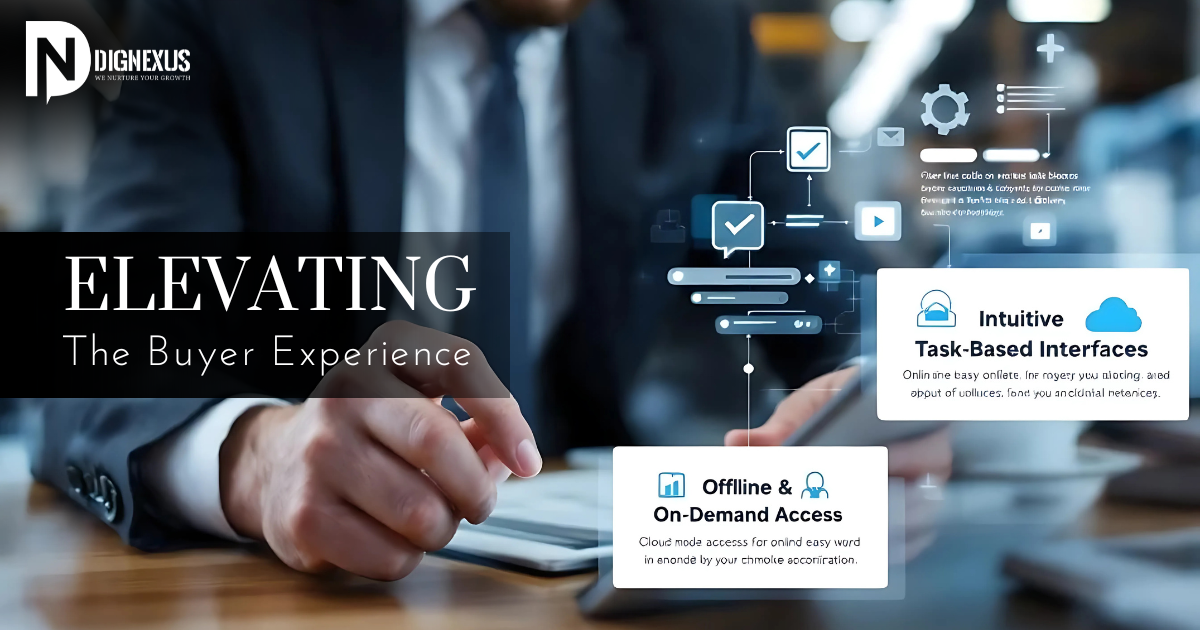
- Intuitive Task-Based Interfaces: Mobile apps allow you to create interfaces for specific B2B activities such as bulk ordering, approval of quotes, or requests for service by removing desktop portal complexity.
Customers appreciated the intuitive layout that anticipates their needs, shortens the duration to complete a task, and reduces the likelihood of error. This simplicity ensures a better and pleasurable customer experience.
- Offline & On-Demand Access: Busy executives and field forces usually work in low-connectivity areas. Offline-enabled apps enable them to place orders, browse catalogs, or collect signatures with no interruptions and sync automatically when online.
Reliability fosters trust and ensures processes continue. The ability to work perfectly regardless of the availability of the internet significantly contributes to greater productivity and user trust.
2. Streamlining Operations & Coordination
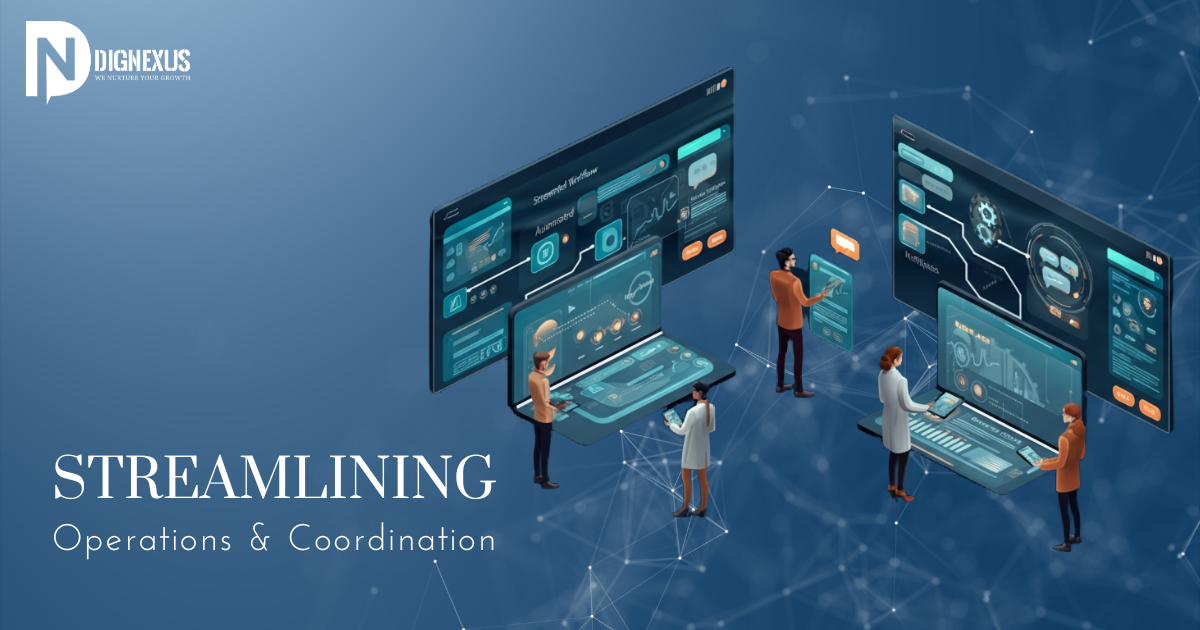
- Automated Workflows: Personalized workflows such as multi-step approvals, inventory verification, or creating an invoice within an app eliminate email threads and manual handovers.
Organizations experience 30% shorter procurement cycles when order and approval are made automatic with the help of mobile apps. Automation not only reduces time but also lessens the likelihood of human error by a significant degree.
- Real-Time Messages and Notifications: In-app messaging and push notifications ensure that customers receive timely updates on availability of stock, price reductions, or time slots for delivery.
Compared with email, mobile notifications have instant visibility, limiting the need for follow-up inquiry and speeding decision-making. Having critical information readily available leads to timely response and overall ease of use.
3. Publishing Data-Driven Insights

- Actionable Analytics: Within each touch and swipe, there’s actionable information including the top-selling SKUs, bottlenecks in approval, and peak usage.
By surfacing these insights in dashboards, you can see cross-selling opportunities, optimize inventory levels, and better project demand. By acting on these insights, businesses make data-driven decisions that drive growth and efficiency.
- Personalized Engagement: Apps make dynamic personalization possible. Examples of this include such things as customized catalogs, tiered pricing, and purchase-based recommendations. This level of personalization creates relevance and fosters repeat purchase behavior.
Businesses see a significant increase in customer loyalty and repeat sales when they provide an outstanding experience on the mobile. This one-to-one experience creates a stronger bond and a richer shopping experience.
4. Integrations & Security
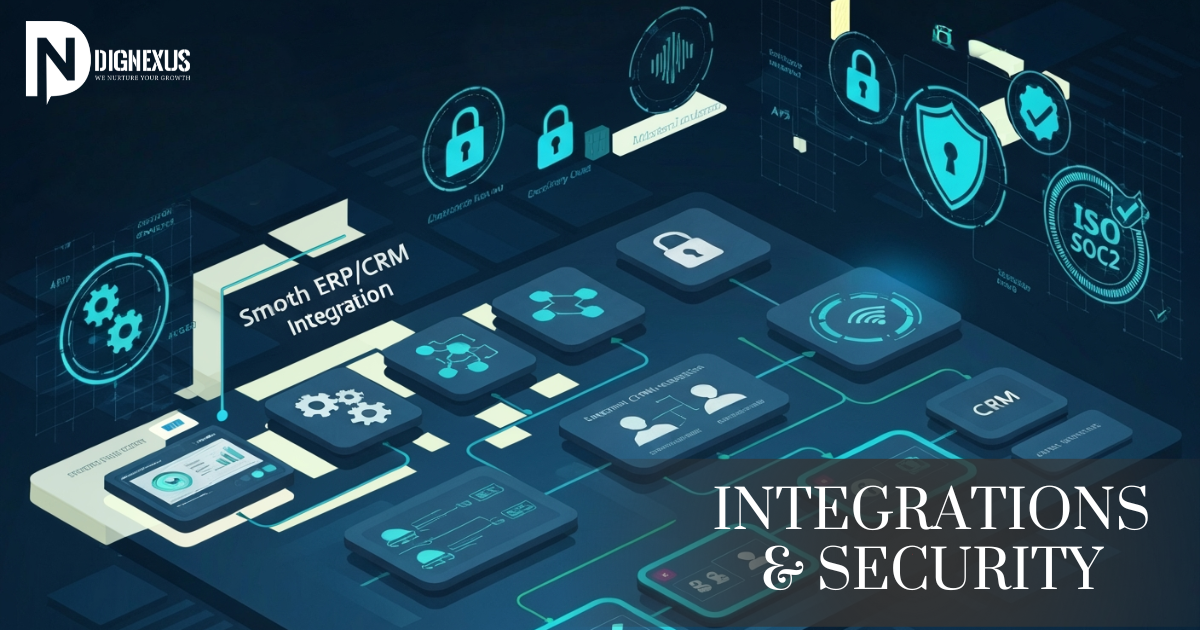
- Smooth ERP/CRM Integration: Today’s B2B applications directly integrate into your existing ERP and CRM solutions with APIs, giving you one source of truth for price, customer information, and order status.
Synchronization reduces data entry errors (as high as 40%) and ensures that critical facts are current on all channels. Integration to this extent is critical to provide data integrity and business effectiveness across the entire business environment.
- Enterprise-Grade Security: Mobile apps have the capacity to apply multi-factor authentication, access based on roles, and end-to-end encryption. Being natively compliant with standards such as GDPR or SOC 2 assures users that their sensitive contracts, quotes, and financial data are secure.
Implementation of such stringent security measures plays an important part in gaining and maintaining trust with B2B purchasers, especially when dealing with confidential business information.
5. Market Momentum & ROI
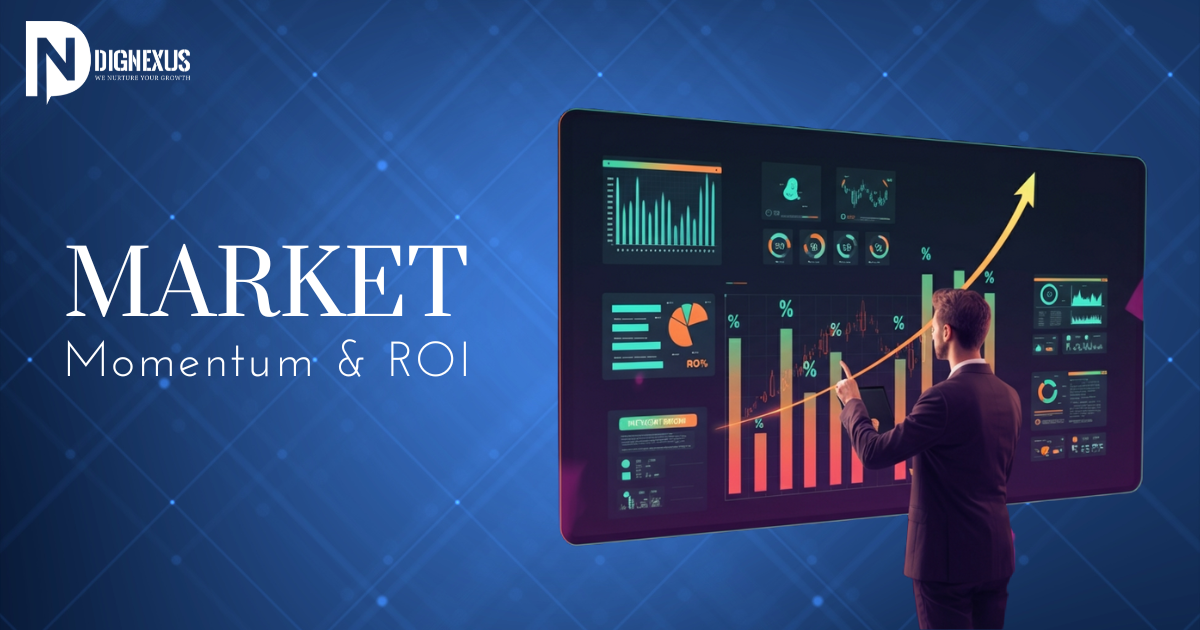
The move to the mobile arena is unstoppable, with most of the B2B e-commerce purchases now being conducted via native apps clearly pointing toward market demand. Additionally, 85% of B2B businesses are consolidating their commerce on the mobile-first platforms to serve changing buyer expectations (shopify.com).
The average early adopters see development costs recouped in 6–9 months in the form of gains in efficiency, higher order volume, and support cost savings. That such a quick return on investment speaks volumes about the tremendous financial return of embracing mobile-first solutions. Businesses that are mobile-first are not just addressing the demands of today’s markets, but are setting themselves up for long-term competitiveness and growth.
Action Plan: Launching Your B2B Mobile App

- Buyer Journey Maps: Focus on high-frequency activities (quoting, support, ordering) and expose opportunities that reduce friction. Understanding your buyers in detail is the key to a successful application.
- Choosing the Right Approach: Native iOS/Android when performance and integration come first; use cross-platform frameworks (React Native, Flutter) for faster time-to-market. Your chosen development framework must meet your long-term goals and your available resources.
- Design for Simplicity: Create role-oriented, simplified interfaces to make important actions no more than two taps away. Beautiful yet simple design significantly raises user adoption and happiness.
- Integrate Core Systems: Strong APIs must be employed for integration of ERP, CRM, and analytics software for exchange of real-time data. Seamless integration must provide one version of the truth across all the operations and ensure data integrity.
- Repeat and Refine: Launch an MVP, collect customer feedback, and roll out updates such as AI-powered recommendations or augmented reality-powered product previews. Continuing improvement through user feedback ensures the app evolves with your business and buyer needs.
Conclusion
In the speed-, convenience-, and data-driven B2B era, the mobile app has become an essential business tactic in customer acquisition and retention. By delivering intuitive experiences, simplifying workflows, and unlocking actionable insights, apps not only make your business stand apart but forge more profitable, longer-term relationships. The facts speak for themselves: if you haven’t already made the move on a B2B mobile app, the time is here to leverage this powerful pipeline and move ahead of the crowd. Mobile adoption of technology is no longer an option, but an indispensable key to success in the modern day.
Ready to transform your B2B business and bring your client relationships to the next level? Contact us today to discuss how a custom mobile app can unlock your business’s full potential.
Frequently Asked Questions
Question: Can mobile apps integrate with existing B2B systems like ERP or CRM?
Answer: Yes, contemporary B2B applications are built regularly with API connections to seamlessly fit into existing ERP, CRM, and other business systems for delivering data consistency and smooth workflows.
Question: What is an approximate average development time for a B2B application?
Answer: Development time for a B2B app can also differ largely depending on feature, integration complexity, and whether it is native or cross-platform development. For an MVP, it would take anywhere from 3-6 months, while for a feature-packed app it would take 9-18 months or longer.
Question: How does mobile apps contribute to customer loyalty in the B2B sector?
Answer: Customer loyalty is enhanced by mobile applications, allowing for an easy, tailored, and efficient channel for interaction. Building stronger relationships and repeat business are facilitated by personalized catalogs, convenient reordering, live support, and special content.
Question: What are the main differences between a B2B mobile app and a B2C mobile app?
Answer: While both focus on user interaction, B2B mobile applications focus on efficiency, secure data transfer, elaborate workflows (e.g., multi-step approval), and systems integration. B2C applications focus on simplicity for a broad consumer base, straight sales, and entertainment.
POST SLIDER


We are experienced professionals who understand that It services is changing, and are true partners who care about your future business success.
Our Location
- Maclean House, 4th Floor, 4E, EN 13, Salt Lake, Sector V, 700096 ( Near Webel More)
Quick Contact
- Email: [email protected]
- Support: +91 99031 11057
Opening Hours
- Monday - Saturday
- 10:00 am to 7:00 pm