
26
June
2025
Why Every Business Owner Needs to Rethink Web UX & SEO for AI Search in 2025
Introduction: The Web Has Changed, So Should Your Strategy

2025 is the year for ChatGPT. Whenever someone wants to know the answer to their question, they ask AI. To adapt to this situation, Google’s Search Generative Experience (SGE) is rewriting how people interact with content, as classic SEO tactics are not enough any longer. Entrepreneurs who want to remain visible, credible, and motivated should focus more on how their websites are designed and optimized.
This is not just to boost the ranking. It’s about being chosen by AI, clickable by humans, and acceptable by all platforms. Welcome to the new age of AI SEO, SEO 4.0, and intelligent UX strategy.
The Problem: Search Engines Are Becoming Answer Engines
Search engines are not just linking machines now, they are transforming into answer engines powered by Large Language Models (LLMs). They can summarize, recommend, and skip the linking part totally.
Traditional SEO vs. AI SEO
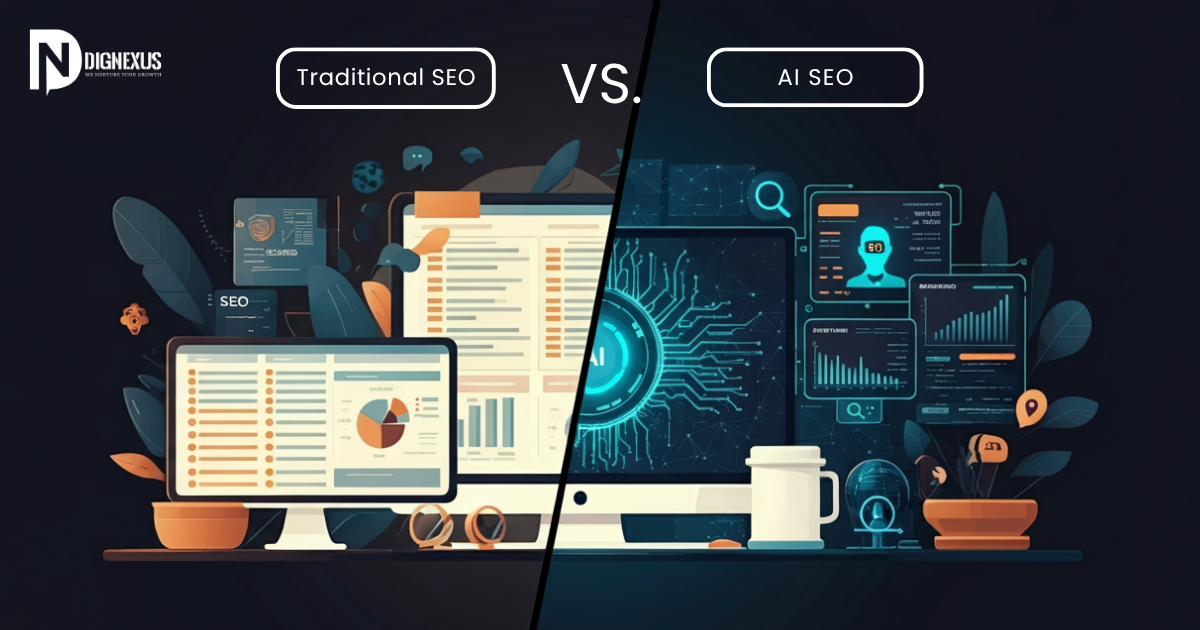
| Feature | Traditional SEO | PWA/Mobile Site |
| Focus | Keywords, backlinks, metadata | Semantic intent, structured data, content layering |
| UX Role | Secondary | Central to content consumption |
| Format | Article-driven | FAQ + Snippet-friendly + Voice-friendly |
| Discovery | SERPs with links | SGE, chatbots, smart assistants |
If a website is not optimised to be cited by AI tools, it will be invisible for the next frontier of search.
The Solution: Build AI-Friendly Websites with UX at the Core

Here’s how entrepreneurs can start preparing:
1. LLM-Ready Content Design
- Keep content hierarchy clear with semantic HTML.
- For articles, services, products, FAQs, and reviews, implement schema markup.
- Pages must revolve around solving user problems and understanding AI search intent rather than just putting keywords.
Example: Instead of a “Services” page listing pest control services, create individual pages that answer AI-parseable questions like “How do I remove bees without killing them?”
2. SEO 4.0 Structure: Content Clustering and Entities
- Content clustering around topic pillars is crucial.
- Use internal linking to link related subtopics.
- Identify and reinforce entities (people, products, services, locations).
- Use consistent NAP, structured content, and third-party citations to align with Google’s Knowledge Graph.
3. UX that Supports AI and Human Readability
- Chunk your content: Write shorter paragraphs with bullet points and callouts.
- Mobile-first indexing with fast load speeds is crucial.
- Include answer-first formats: FAQs, summaries, takeaways.
Pro Tip: The clearer your prompt is, the easier the LLMs to extract your answers for citations in AI tools like ChatGPT or Bing Copilot.
4. AI-Smart URL & Site Architecture
- Use clean, descriptive URLs with no parameters: /pest-control/bee-removal-ohio/
- Apply breadcrumb navigation for clarity and indexing.
- Create scannable sitemaps to submit them to Google & Bing.
5. Value-First Content: From Traffic to Trust
Don’t just concentrate on traffic generation; shift your mindset to become a trusted source.
- Add experiential proof (e.g., videos, reviews, local stats).
- Offer templates, downloadables, and checklists for the visitors.
- Make pages, not just searchable but bookmark-worthy.
The Funnel: Align SEO with Your Sales Journey
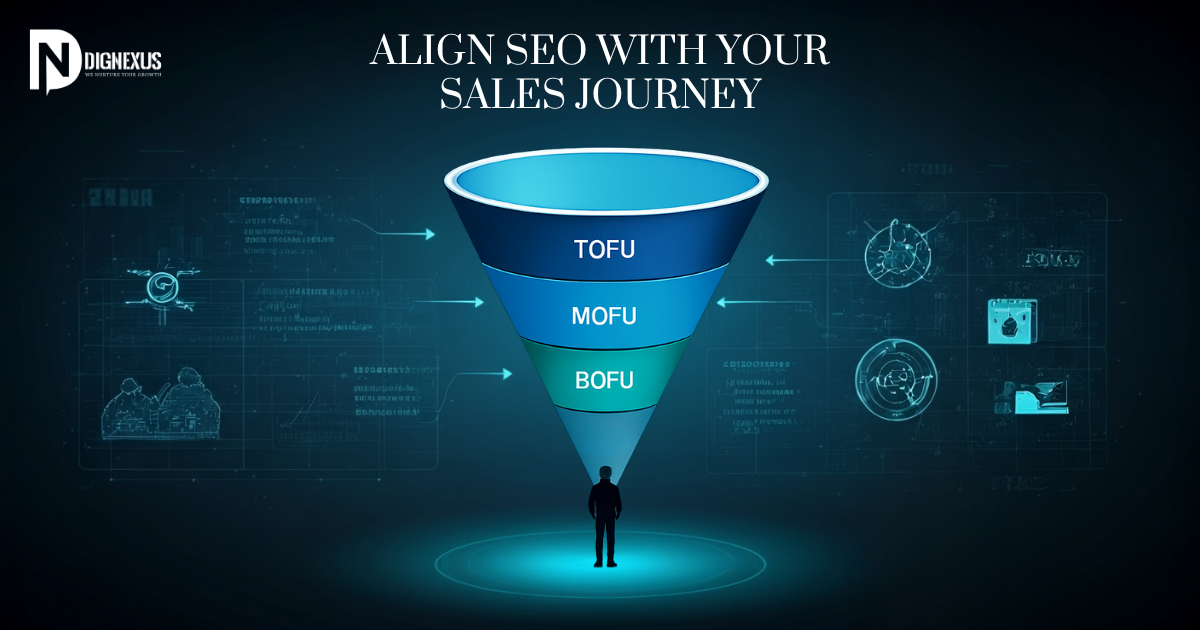
In AI searches, the funnel becomes non-linear. Visitors can chat with your brand AI chatbot to find what exactly they are looking for on the site.
Here’s how you can reorganize your SEO from awareness to conversion:
TOFU (Top of Funnel)
- Add contents by adding broad, informational, and AI-readable metrics.
- Example: “10 Signs You Need a Web Designer in Kolkata”
MOFU (Middle of Funnel)
- Add comparative and solution-providing content.
- Example: “DIY Pest Control vs. Professional Services: What Works Better?”
BOFU (Bottom of Funnel)
- Use trust triggers like case studies, customer reviews, and pricing tables
- Example: “Why Champion Pest Is Rated 5 Stars in Blacklick, OH”
Bonus: Tools and Tactics for AI-Ready SEO
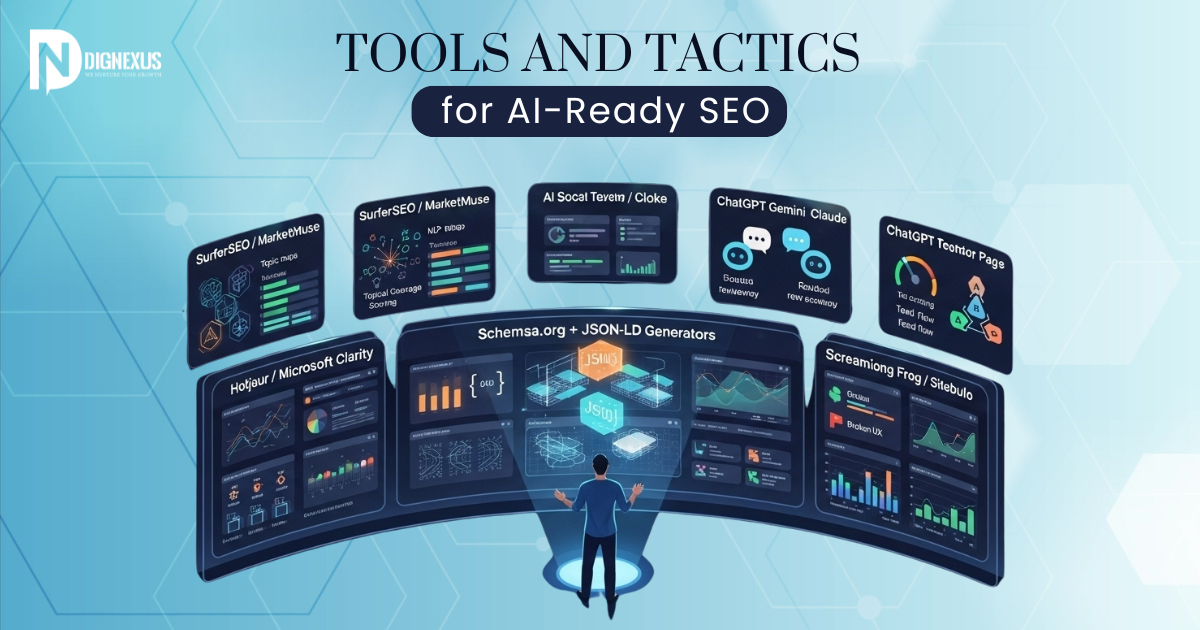
- SurferSEO / MarketMuse: For topical coverage and NLP optimization
- ChatGPT / Gemini / Claude: For testing AI readability of your pages
- org + JSON-LD Generators: For structuring content
- Hotjar / Microsoft Clarity: For analyzing UX behavior
- Screaming Frog / Sitebulb: For technical audits and broken UX
Final Thoughts: Adapt or Get Ignored
AI tools are the new gatekeepers of the industry. It is here. Search engines are no longer just your sole audience.
By redesigning your UX, SEO, and content framework, you don’t just stay visible, you become useful, referred to, and chosen by the engines shaping up the future of discovery.
If you also want to future-proof your website for AI SEO, start by restructuring your content, UX flow and structured data. Your next customer may find your website via a chatbot rather than a Google link. Update now
CTA:
Ready to upgrade your website for AI-driven search? Let’s talk about a UX + SEO audit that aligns with SEO 4.0 and future proofs your digital presence. Visit Dignexus.com for more information
POST SLIDER



We are experienced professionals who understand that It services is changing, and are true partners who care about your future business success.
Our Location
- Maclean House, 4th Floor, 4E, EN 13, Salt Lake, Sector V, 700096 ( Near Webel More)
Quick Contact
- Email: [email protected]
- Support: +91 99031 11057
Opening Hours
- Monday - Saturday
- 10:00 am to 7:00 pm