16
June
2025
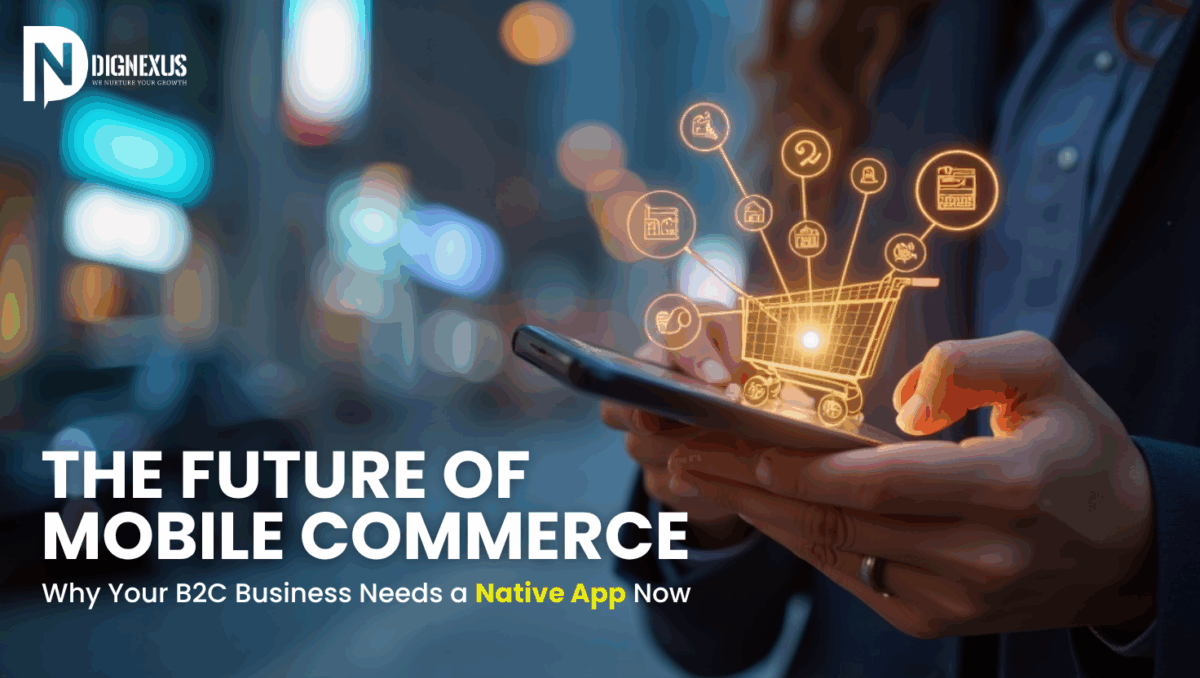
The Future of Mobile Commerce: Why Your B2C Business Needs a Native App Now
Introduction
Shoppers no longer window shop on their smartphones; today, they buy products from apps. If your business-to-consumer company relies on a simply mobile-responsive website, you are leaving revenue, loyalty, and competitiveness on the table for app-first disruptors. By 2030, m-commerce will represent more than half of total sales in e-commerce, which will approximately equate to a staggering $2.4 trillion US Dollars in annual revenues (GlobeNewswire).
Native apps, built specifically for either Android or iOS, can enable unparalleled performance, user interaction, and conversion, unavailable for websites on the mobile web. Below, we’ll explore marketplace trends, core benefits, and innovative technology, and then outline how your B2C Company can take advantage of native apps now.
Why Native Apps Outshine Mobile Websites
Native applications, built specifically for iOS or Android, deliver several key advantages over responsive websites:
| Feature | Native App | PWA/Mobile Site |
| Personalization | AI-driven recommendations | Cookie-limited targeting |
| Offline Access | Full functionality | None |
| Payment Security | Biometric authentication | Manual entry required |
| Push Notifications | 90% open rates | 20% email open rates |
| AR/VR Integration | Real-time try-ons | Limited capabilities |
Performance & Offline Access

- Native code runs on the device itself, meaning it provides faster load times, smooth animations, and the ability to use or access important functionality without the need for a net connection.
- This allows for a smooth and highly interactive user experience. Users are able to use the app without second-guessing themselves even in low-connectivity zones.
Deep Device Integration

- Camera access, GPS, biometrics, and system-level APIs make possible more feature-enhanced AR try-ons, geo-located promotions, and one-touch login capabilities, impossible in a browser environment.
- They allow truly innovative context-dependent operations for the user. It provides an interactive, customized experience far beyond the common web experience.
Long-term Engagement Tools

- Push notifications, home screen, and in-app messages enable brands to connect with users in context, generating repeat visits and churn declines.
- Brands can build direct, real-time connections with their audience. This constant presence builds genuine user loyalty in the long term.
Revenue Impact: How Apps Transform Profitability
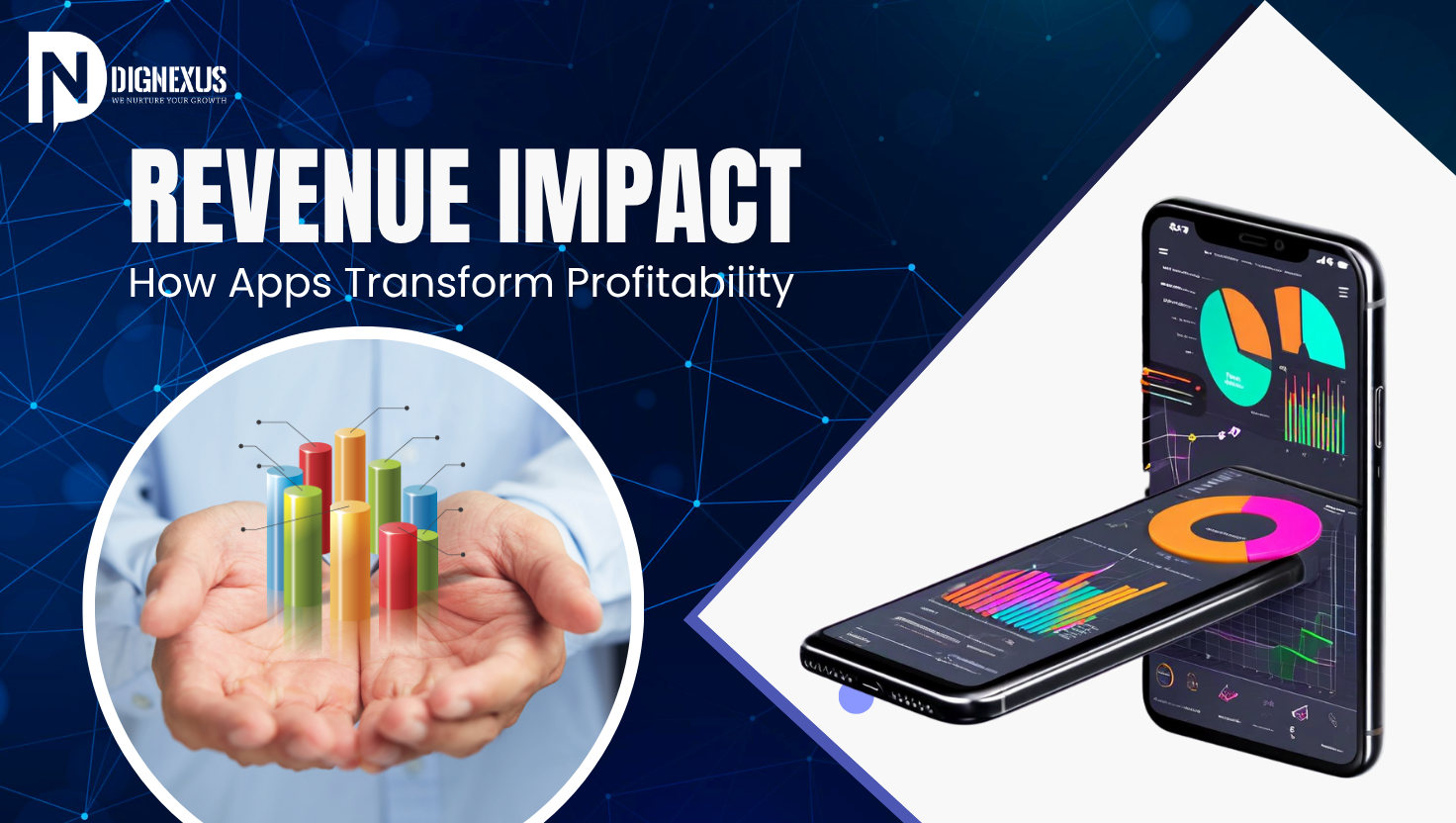
A. Hyper-Personalization = Increased Expenditure
- Apps monitor behavior, location, and purchase history in order to offer dynamic pricing. Thus, users of apps pay more per purchase than mobile web users.
- Personalized Recommendations: Serve highly relevant product recommendations at the moment. This automatically enhances conversion rate.
B. Unparalleled Engagement Tools
- Push notifications drive much higher app activity. For instance, reminders for cart abandonment reclaim a vast number of lost sales.
- Loyalty Programs: Starbucks’s application earns more than 30% of its revenues through rewards and mobile orders (GeekWire).
- Interactive in-app messaging: Present timely assistance and guidance in the app itself. This facilitates smooth user experiences.
C. New Revenue Streams
- AR Shopping: Customers purchase more when they visualize products (e.g., IKEA furniture room planner).
- Voice Commerce: Apps can be integrated with Alexa/Google Assistant for hands-free ordering. Subscription Models: Streamline recurring orders in the multibillion-dollar subscription economy.
- Premium Features Unlocks: Offer premium features for in-app purchases. Offer premium content with exclusive access.
Key Benefits for B2C Companies

1. Increased Conversion Rates
- Apps also have a better conversion rate compared to mobile websites due to streamlined checkouts and stored payments.
- This reduces friction to a considerable degree, enabling users to make purchases easily and readily. The streamlined process facilitates higher completed transactions.
2. Stronger Retention & Loyalty
- With wish lists, loyalty points, and tailored recommendations, apps forge more intimate connections. B2C businesses have higher retention rates than web-only mediums.
- They are a recurring pattern of engagement, leading the customers back repeatedly. They develop a deep relationship with the business.
3. In-App Marketing Power
- Push notifications for promotions and transactions have great engagement. Transactional notifications, order status, or shipping notifications, have open rate, driving action immediately and upsells.
- Direct communication breaks through the digital noise so that messages can be viewed in real time. Real-time interaction typically results in remarkable conversion rates.
4. Data-Driven Personalization
- Native programs track in-depth behavior like session paths, click maps, and purchase history, in turn providing AI engines driving smarter recommendations leading to higher average order values.
- This abundance of information provides valuable insights into customer behavior and preferences. It facilitates continuous product and marketing optimization.
Key Advantages for B2B Businesses

While B2C apps are focused on conversion and engagement, native B2B apps have their own advantages in terms of efficiency, integration, and building long-term relationships.
- Simplified Ordering & Procurement: B2B customers make recurring bulk orders, and native apps make it possible for such features as stored bulk‑order templates, reorders setup, and tiered dynamic pricing, minimizing procurement cycles.
- Strong System Integrations: Seamless integration with ERP, CRM, and inventory management solutions allows for real-time synchronizing of the inventory and order status and automatic updating of the inventory level and orders, reduces manual keying considerably.
- Enhanced Communication and Cooperation: Real-time shipping status updates, in-app messaging, for approval orders facilitate effective collaboration between buyer and seller, streamlines decision-making, and reduces approval lead times.
- Advanced Security & Compliance: Native, end-to-end encryption of data, as well as compliance with industry-standard frameworks such as SOC 2 and GDPR, protects sensitive contract information, essential for top-enterprise customers and required for regulated industries, respectively.
- Advanced Analytics & Account Insights: Native B2B apps capture detailed usage metrics such as order frequency, product suites, and user type for inputting BI dashboards to enable sales forces to spot up-sell opportunities and maximize account strategy, pushing average deal size upwards.
Future Trends Shaping Mobile Commerce
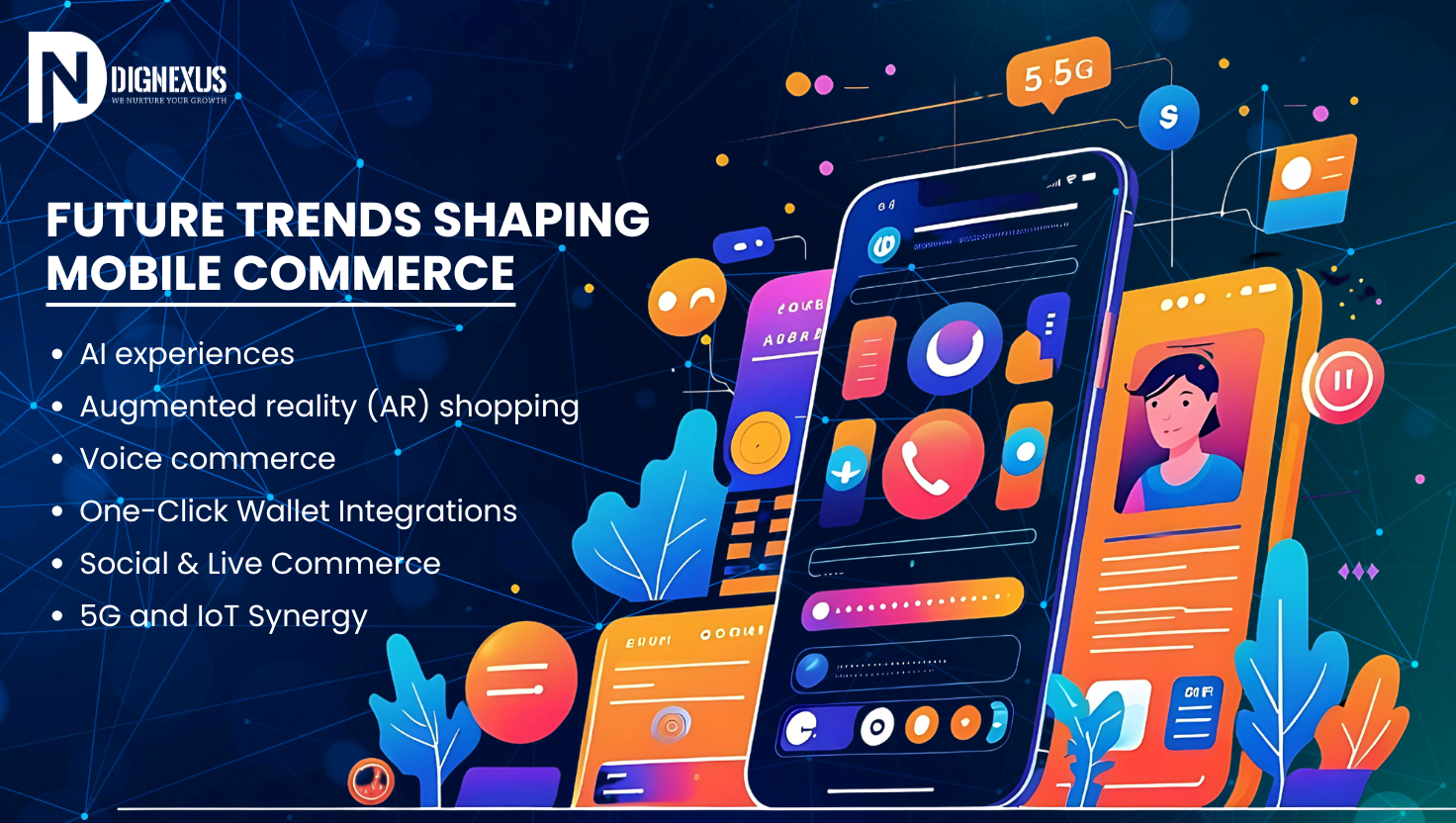
- AI experiences: Predictive assistants analyze behavior in order to anticipate requirements (e.g., Amazon “anticipatory shipping” patents). Chatbots take care of most of the pre-buying questions, driving conversions.
- Augmented reality (AR) shopping: From augmented reality product demonstrations to virtual try-ons, AR reduces returns and builds confidence. Already, it’s being adopted by top fashion and housewares retailers.
- Voice commerce: The most mundane of queries will be handled by voice assistants and chat interfaces, as will ordering and product checks. Customer service and sales will also be automated.
- One-Click Wallet Integrations: Frictionless payments through Apple Pay, Google Pay, or digital wallets eliminate friction during checkout, solving nearly 70% of cart abandonments due to complicated payment flows.
- Social & Live Commerce: Integrating shoppable streams, user-generated content, and influencer events into the apps capitalizes on the rapid expansion of socially driven sales channels.
- 5G and IoT Synergy: It enables AR streaming in real-time and instant checkouts. Through interconnected ecosystem apps can connect with intelligent devices (e.g., automatically reordering purchases based on refrigerator sensors).
Action Steps: Publishing Your Native App
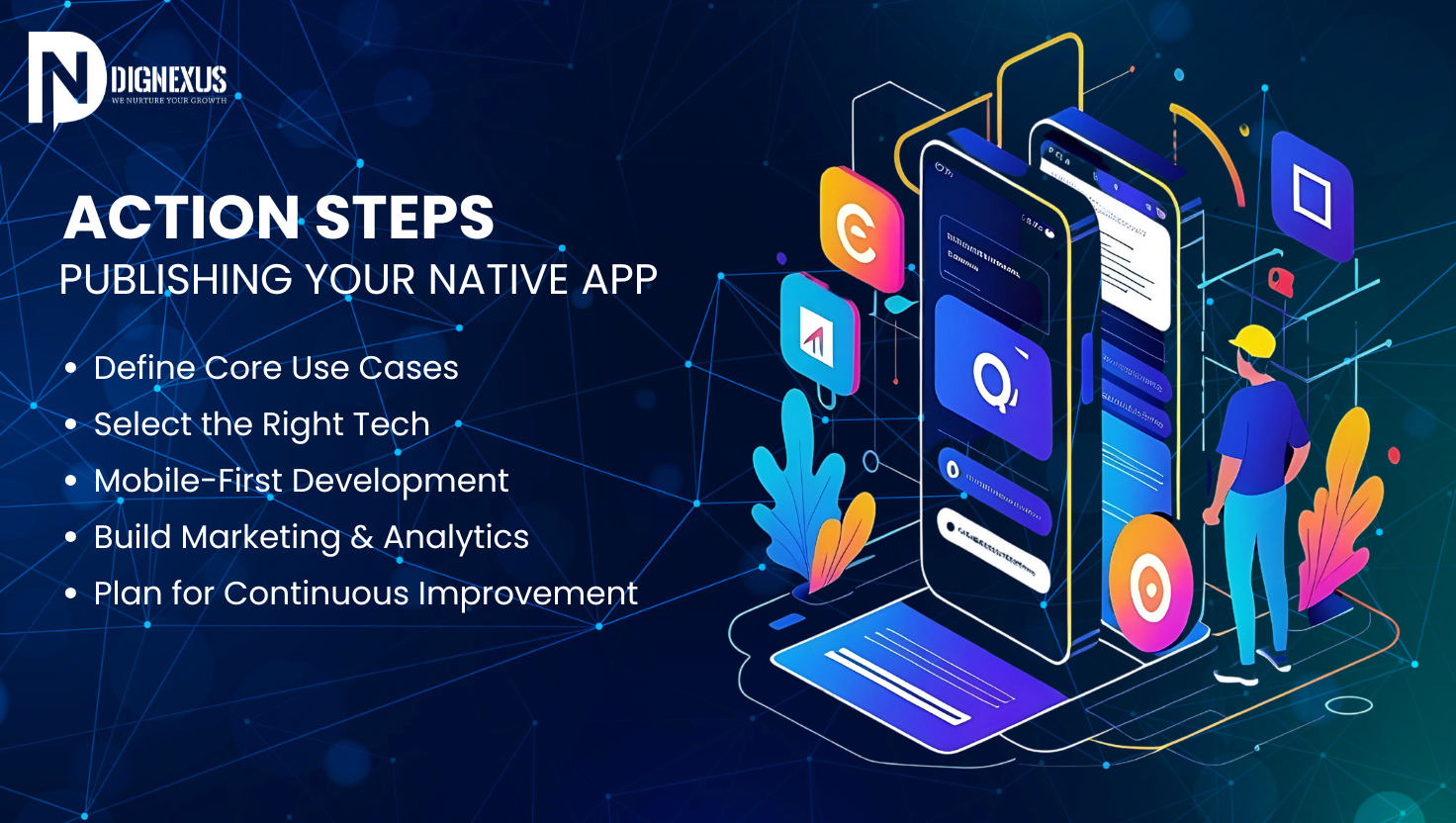
- Define Core Use Cases: Focus on features that are most important for your customers’ top pain points, be it one-click purchasing for B2C or streamlined invoicing for B2B.
- Select the Right Tech: Use native app development (Swift/Kotlin) for industry-leading performance or a high-performing cross-platform framework (Flutter, React Native) for rapid time-to-market.
- Mobile-First Development: Invest in interfaces adapted for thumb-interaction, easy navigation, and accessibility guidelines for highest usability.
- Build Marketing & Analytics: From the outset, integrate functionality, push-notification services, A/B testing tools and use analytics SDKs (e.g., Firebase, Mixpanel).
- Plan for Continuous Improvement: Deliver MVP quickly, get feedback from users, and iterate with your roadmap left open to accommodate evolving market needs.
Conclusion
The business of the future is in your hand and the opportunity for advancement is now. Whether as a consumer storefront pursuing larger-than-life revenues or as an enterprise streamlining supply-chain functions, a native app enables the potential of unmatched performance, interaction, and loyalty. By syncing up your mobile plan with user behavior and emerging technologies, you’ll not only dominate today’s marketplace but prepare for tomorrow’s innovations as well.
Ready to drive mobile commerce success? Reach out for a complimentary consultation and tailored app roadmap for your B2C or B2B commerce requirements.
Frequently Asked Questions
1. Question: Do I need a native app if I have a mobile website?
Answer: Yes; native apps offer faster performance, offline availability, and more integration with the device than a web site can offer. They also offer a richer, more engaging user experience
2. Question: What are the typical fees for a B2C native application?
Answer: As a function of complexity, expect $40K–$100K+ for complete feature-rich e-commerce experiences with AR, chat, and advanced analytics. Cost will depend on the specific features and integrations.
3. Question: How quickly can one anticipate realizing ROI with a native app?
Answer: Brands tend to see their investment return in 6–12 months as increased AOV, repeat orders, and a lower acquisition cost through push engagement. Big returns are the norm as a surge in user loyalty occurs.
4. Question: Where do I recommend launching first, on iOS or Android?
Answer: Consider your target audiences: iOS dominates the North American and Western European audiences while Android leads in Asia and Latin America. Cross-platform technology can accelerate simultaneous releases. Choose based on the primary audience’s preferred device choice.
POST SLIDER


We are experienced professionals who understand that It services is changing, and are true partners who care about your future business success.
Our Location
- Maclean House, 4th Floor, 4E, EN 13, Salt Lake, Sector V, 700096 ( Near Webel More)
Quick Contact
- Email: [email protected]
- Support: +91 99031 11057
Opening Hours
- Monday - Saturday
- 10:00 am to 7:00 pm